
How to Match Makeup Colors to My Skin Tone: Professional Makeup Artist Guide
Master the art of finding your perfect makeup color matches with proven techniques from professional makeup artists. Get flawless results every time with AI-powered color analysis.
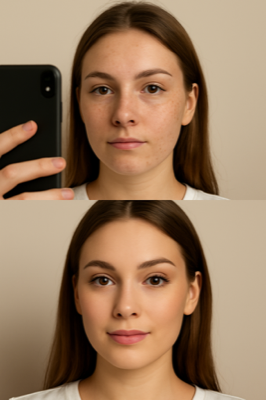
✨ Quick Answer
Matching makeup colors to your skin tone involves identifying your undertone (warm, cool, or neutral) and choosing shades that complement rather than clash with your natural coloring. The MakeupAI app uses advanced color analysis to instantly match your skin tone with perfect foundation, concealer, and makeup colors.
Why Proper Color Matching Matters
As a professional makeup artist who has worked with clients of every skin tone, I can't stress enough how crucial proper color matching is. The right makeup colors can make you look healthy, radiant, and naturally beautiful, while wrong colors can make you appear washed out, orange, or ashy.
💎 Benefits of Perfect Color Matching:
- Natural appearance: Makeup looks like it's part of your skin
- Enhanced features: Colors complement your natural beauty
- Longer wear: Well-matched colors blend seamlessly
- Professional results: Achieve salon-quality looks at home
- Confidence boost: Know your makeup always looks perfect
Step 1: Determine Your Skin Undertone
🌞 Warm Undertones
Signs you have warm undertones:
- Veins appear green or olive in natural light
- Gold jewelry looks better than silver
- You tan easily and rarely burn
- Eyes often have golden or amber flecks
- Hair has natural golden, red, or orange highlights
Best Colors for Warm Undertones:
Golden browns, warm peaches, coral, bronze, warm reds, golden yellows
❄️ Cool Undertones
Signs you have cool undertones:
- Veins appear blue or purple in natural light
- Silver jewelry looks better than gold
- You burn easily and tan with difficulty
- Eyes often have blue, gray, or green tones
- Hair has natural ash or blue-black tones
Best Colors for Cool Undertones:
Pink-based shades, berry tones, cool blues, true reds, silver highlights
⚖️ Neutral Undertones
Signs you have neutral undertones:
- Veins appear blue-green or you can't tell
- Both gold and silver jewelry look good
- You tan moderately and sometimes burn
- You can wear both warm and cool colors
- Mix of warm and cool tones in your features
Best Colors for Neutral Undertones:
Most colors work! Focus on balance between warm and cool tones
Step 2: Foundation and Base Matching
Finding Your Perfect Foundation
🎯 Testing Locations:
- Jawline: Most accurate for face matching
- Neck: Ensures seamless blending
- Chest: Alternative if jaw/neck have different tones
💡 Pro Tips:
- Test in natural daylight when possible
- Let foundation oxidize for 10-15 minutes
- Test multiple shades and blend the edges
- Consider seasonal color changes
Concealer Color Matching
Under-Eye Concealer:
- Choose 1-2 shades lighter than foundation
- Match your undertone exactly
- Peachy tones for warm undertones
- Pink tones for cool undertones
Spot Concealing:
- Match your exact foundation shade
- Green for red blemishes
- Purple for yellow discoloration
- Orange for dark spots on deep skin
🚀 AI-Powered Color Matching
Take the guesswork out of color matching! MakeupAI uses advanced computer vision to analyze your skin tone and instantly recommend:
- 🎨Perfect foundation shade matches
- ✨Concealer colors for your undertone
- 💄Coordinated lip and cheek colors
- 👁️Eyeshadow palettes that enhance your tone
Step 3: Color Makeup Matching
💋 Lip Color Selection
Warm Undertones:
- Coral and peach shades
- Warm reds with orange base
- Golden nudes and browns
- Brick and terracotta tones
Cool Undertones:
- Berry and plum shades
- Blue-based reds
- Rosy nudes and pinks
- Mauve and wine tones
Neutral Undertones:
- True reds and berries
- Balanced nude shades
- Rose and dusty pink
- Most colors with balance
🌸 Blush and Bronzer Matching
Blush Selection by Undertone:
Warm Undertones:
Peach, coral, warm pink, apricot
Cool Undertones:
Rose, berry, cool pink, mauve
Neutral Undertones:
Soft coral, dusty rose, balanced pinks
Bronzer Guidelines:
- Choose 2-3 shades deeper than your natural skin tone
- Warm undertones: Golden, honey-based bronzers
- Cool undertones: Taupe-based, cooler bronzers
- Test on your chest/décolletage area
👁️ Eyeshadow Color Coordination
Choose eyeshadow colors that complement your undertone while considering your eye color for maximum impact.
Universal Flattering Shades:
- Champagne and golden highlights
- Soft browns and taupes
- Muted purples and plums
- Soft metallics in your undertone
Colors to Approach Carefully:
- Bright oranges on cool undertones
- Ashy grays on warm undertones
- Colors that match your undertone exactly
- Overly bright or neon shades
Professional Color Matching Techniques
🔬 The Draping Method
- Remove all makeup in natural light
- Hold different colored fabrics near your face
- Observe which colors make you look healthiest
- Note which shades wash you out or clash
- Test makeup colors using the same method
💡 The White Paper Test
- Hold white paper under your chin
- Look in a mirror in natural light
- Note the reflected tones on your skin
- Pink/blue reflection = cool undertone
- Yellow/golden reflection = warm undertone
Common Color Matching Mistakes
❌ What to Avoid:
- Testing only on your hand - Your face may be different
- Matching in artificial light - Colors look different indoors
- Choosing colors you like vs. colors that flatter
- Not considering undertones - Surface color isn't everything
- Using the same shades year-round - Your skin changes
- Ignoring oxidation - Foundation can change color throughout the day
Skin Tone Specific Guidelines
☀️ Light Skin Tones
Do:
- Use light to medium coverage foundation
- Choose soft, buildable colors
- Focus on undertone matching
- Use light hand with bronzer
Avoid:
- Colors that are too dark or bold
- Heavy-handed application
- Orange-based products on cool tones
- Skipping primer
🌅 Medium Skin Tones
Do:
- Experiment with richer colors
- Use medium coverage foundation
- Try both warm and cool tones
- Build colors gradually
Best Colors:
- Golden bronzes, warm berries
- Coral, peach, deep roses
- Rich browns, amber tones
- Jewel tones for evening
🌙 Deep Skin Tones
Do:
- Choose richly pigmented products
- Use full coverage foundation
- Embrace bold, vibrant colors
- Highlight with golden or bronze tones
Stunning Options:
- Deep berries, rich plums
- Bright corals, vibrant oranges
- Golden browns, copper tones
- Bold jewel tones and metallics
🎯 Quick Matching Formula
For foolproof color matching every time:
- Determine undertone using the vein test
- Match foundation to jawline in natural light
- Choose base colors that complement your undertone
- Test colors against your skin before purchasing
- Build gradually - you can always add more
Frequently Asked Questions
Q: What if I can't determine my undertone?
A: You likely have neutral undertones, which means you can wear both warm and cool colors. Focus on finding colors that make your skin look healthy and radiant rather than strictly following warm/cool rules.
Q: Should my foundation match my face or neck?
A: Your foundation should blend seamlessly between your face and neck. If there's a slight difference, choose a shade that works for both or use two different shades blended together for a perfect match.
Q: How accurate is AI color matching compared to professional matching?
A: Advanced AI color matching, like MakeupAI, can be extremely accurate - often matching professional results. It analyzes multiple factors including undertone, lighting, and facial features to provide personalized recommendations instantly.
Q: Do I need different foundation shades for summer and winter?
A: Many people need slightly different shades seasonally. You might need a lighter shade in winter and a slightly deeper one in summer. Some people mix two shades or use different products for different seasons.
Ready for Perfect Color Matches Every Time?
Stop second-guessing your makeup choices! Get instant, professional-quality color matching with AI-powered analysis that understands your unique skin tone and preferences.
Related Articles
What is My Undertone?
Complete guide to identifying and understanding your skin's undertones
Warm vs Cool Undertones in Makeup
Learn the differences and how to choose the right makeup for your undertone
Choose Eyeshadow Colors for Your Skin Tone
Find eyeshadow palettes that perfectly complement your complexion
What Colors Make My Eyes Pop?
Discover the best eyeshadow colors to enhance your natural eye color